Dental Implants or Dentures in Vancouver: Which Should You Choose?
In Vancouver, dental implants and dentures are two prevalent choices for those seeking to improve their dental health and significantly impact their quality of life. This comprehensive guide will explore these options, delving into their benefits, costs, and suitability to help you make an informed decision tailored to your needs.
Understanding Tooth Loss and Replacement
Tooth loss can result from various factors, including decay, injury, or disease, leading to the need for replacements. The choice of tooth replacement impacts not only the aesthetics and functionality of your teeth but also your overall oral health.
Dental Implants: A Permanent Solution
Dental implants in Vancouver are considered the gold standard for tooth replacement due to their design and longevity. They consist of a titanium post that is surgically implanted into the jawbone, topped with a crown that mimics the appearance of a natural tooth.
Jawbone Requirements for Dental Implants
Successful dental implantation requires a healthy jawbone with adequate density. The minimum bone density needed varies, but generally, the jaw must have enough bone to support and stabilize the implant. For those with insufficient bone density, bone grafting procedures may be recommended to increase the viable bone mass.
Benefits of Dental Implants:
- Durability: Implants are designed to last a lifetime with proper care, making them a long-term investment in your dental health.
- Functionality: They restore nearly 100% of bite force, allowing you to eat with comfort and ease.
- Aesthetic and Comfort: They look and feel like your natural teeth, enhancing self-esteem and comfort.
- Bone Preservation: Implants stimulate the jawbone, preventing bone deterioration that commonly occurs with tooth loss.
- Improved Speech: Dental implants can help restore clear speech, especially for those who have difficulty pronouncing certain sounds due to missing teeth.
- Enhanced Facial Structure: Replacing missing teeth with implants can help maintain facial structure, preventing the sagging or sunken appearance that can occur with tooth loss.
- Improved Oral Health: Dental implants can help prevent gum disease and other oral health problems that can be associated with missing teeth.
All-on-4 Dental Implants
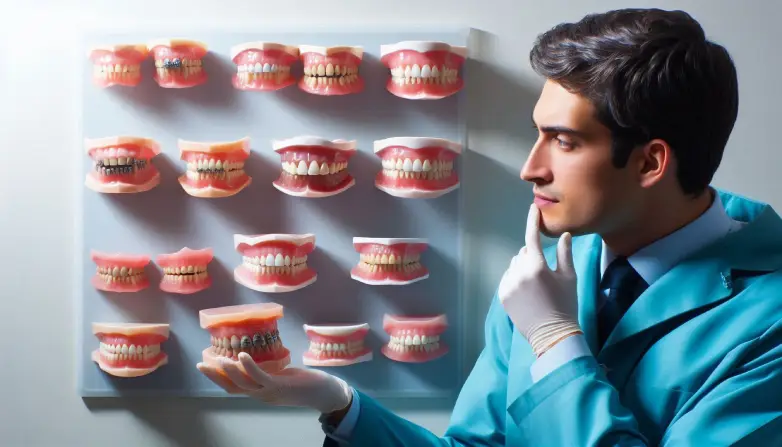
The All-on-4 dental implant technique in Vancouver offers an innovative alternative for those with extensive tooth loss. This method utilizes four strategically placed implants on the top or bottom of the mouth to support a full arch of prosthetic teeth, providing a stable and permanent solution with fewer implants.
Benefits of All-on-4 Dental Implants:
- Reduced Treatment Time: All-on-4 implants can often be placed and loaded with temporary teeth in a single day, significantly reducing treatment time.
- Fewer Implants: This technique requires fewer implants than traditional full-arch implant procedures, making it a more cost-effective option for some patients.
- Improved Comfort and Stability: All-on-4 implants can provide excellent comfort and stability, allowing patients to enjoy a full range of oral functions.
Dentures: A Cost-Effective and Flexible Alternative
Dentures are prosthetic devices designed to replace missing teeth. They are customizable and can replace a few missing teeth (partial dentures) or a full set of teeth (complete dentures).
Denture Care and Maintenance
To ensure longevity and optimal function, dentures require specific care routines:
- Daily Cleaning: Dentures should be removed and gently cleaned daily with a soft brush and non-abrasive cleaner to remove food and plaque.
- Overnight Soaking: Most types of dentures need to remain moist to keep their shape and should be soaked in a mild denture-soaking solution overnight.
- Regular Adjustments: Visit your dentist regularly for adjustments to ensure a comfortable and secure fit, as the jawbone and gums may change over time.
- Professional Cleaning: Have your dentures professionally cleaned by your dentist at regular intervals to remove tartar and plaque buildup.
- Avoid Hot and Cold Temperatures: Extreme temperatures can cause dentures to warp or crack.
Benefits of Dentures:
- Affordability: Dentures are generally more budget-friendly than dental implants.
- Non-Invasive: Dentures do not require surgery, making them suitable for patients who are not candidates for implants.
- Adaptability: Dentures can be modified as your dental needs change over time.
- Speed: Getting dentures is a faster process than undergoing the surgical implantation of dental implants.
Dental Insurance Coverage
Understanding how dental insurance covers dental implants in Vancouver can significantly impact the overall cost and accessibility of these treatments. Most insurance plans provide some coverage for dentures and may partially cover dental implants, depending on the plan specifics. Patients are encouraged to consult with their insurance provider to understand their coverage details.
Alternatives to Consider
Besides dental implants and dentures, other tooth replacement options include:
- Dental Bridges: These are used to replace one or more missing teeth by anchoring to adjacent teeth.
- Partial Dentures: These are suitable for patients who still have some of their natural teeth.
Emotional and Psychological Impacts
Replacing missing teeth can have a profound emotional and psychological impact. It can greatly improve one’s self-esteem and quality of life by restoring a full and functional smile.
Future Trends in Tooth Replacement
Advancements in implant technology and denture materials continue to evolve, promising more efficient, comfortable, and aesthetically pleasing solutions for tooth replacement. Innovations such as bio-compatible materials and digital imaging are enhancing the precision and success rates of these procedures.
Conclusion
For residents in Vancouver, choosing between dental implants and dentures is crucial, as both options provide significant benefits that can enhance quality of life and dental health. By carefully considering the factors outlined in this guide, including new insights into care routines, insurance implications, and emotional impacts, you can select the option that best aligns with your long-term health goals and lifestyle preferences.