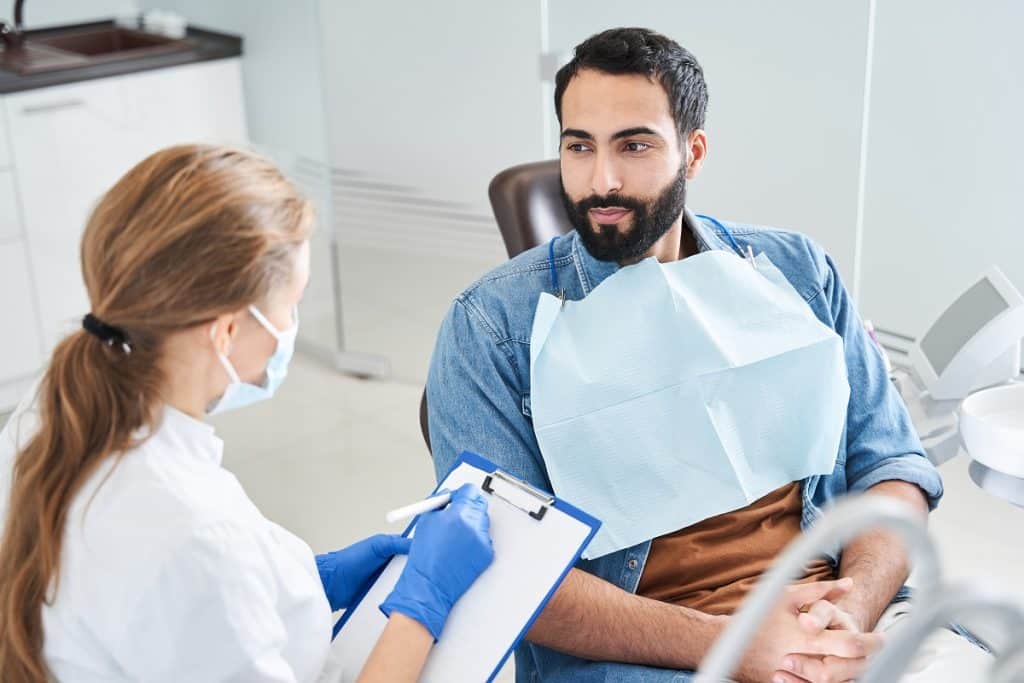
Oral surgery can be overwhelming for people, regardless of age. That is why it’s important to get all the necessary information about sedative options available to maximize your comfort. Whether you are scheduled for your first oral surgery or have undergone surgery before, you might have several questions to ask your oral surgeon regarding anesthesia.
Here are some of the most common questions about sedation dentistry:
What Anesthesia Options Are Available?
It’s important to ask our oral surgeon this question because it will determine your level of comfort during and after oral surgery. Our surgeon will discuss the different levels of anesthesia available and what is appropriate for your procedure to alleviate any anxiety or discomfort, including local anesthesia. Local anesthesia is provided as a numbing agent.
Conscious sedation is an effective anti-anxiety pill administered orally that will make you feel relaxed and peaceful. If you opt for conscious sedation, you will need someone to drive you home because you may feel drowsy for an hour or two after your procedure. IV sedation is another anesthesia option that is administered intravenously and allows you to sleep through the procedure and is mainly used for extensive dental work or patients with high dental anxiety levels.
Are You Certified to Administer Anesthesia?
Our oral surgeon is board-accredited by the ABOMS or American Board of Oral and Maxillofacial Surgery, which means you can rest assured they have extensive training and experience in administering anesthesia.
How Should I Prepare for My Oral Surgery Under General Anesthesia?
Before undergoing general anesthesia, you need to fast from foods and liquids, except water. Avoid eating any semi-solid or solid food eight hours before the surgery. For two hours before surgery, you should avoid drinking any liquids. However, it is best to confirm with our oral surgeon to know how to prepare for your surgery.
Do I Need to Plan For a Ride for My Appointment?
The effects of laughing gas or nitrous oxide wear off quickly after you stop inhaling the gas, which means you can drive home after treatment. However, you cannot drive yourself home if your surgery involves oral sedation, general anesthesia, or IV sedation. Therefore, you must make prior arrangements for transportation to and from your oral surgery. Be sure to ask our oral surgeon what type of sedation will be administered during the surgery to determine whether or not you should prepare a ride in advance.
Is Your Dental Team Trained to Handle an Anesthesia Emergency?
Oral surgeons do not work alone. They have a team of certified surgical assistants, registered nurses, and support staff. Anesthesia emergencies are rare, but the surgical team will work together to deal with any unexpected situations. In addition, their offices are fully equipped with the necessary equipment to handle emergencies.
The Answers You Need to Make an Informed Decision
These are some of the common questions that many patients ask before oral surgery. When you have the information you need, it alleviates anxiety and allows you to relax because your concerns and questions have been fully addressed. Whether you’re undergoing a simple tooth extraction or complicated procedures like dental implants, our surgeon has the right sedation option to keep you safe and comfortable throughout your oral surgery.