
Choosing between porcelain veneers vs composite veneers is one of the most common decisions patients face when planning a smile makeover. Both cosmetic dentistry treatments enhance tooth shape, color, and alignment but they differ significantly in longevity, cost, dental preparation, and aesthetic quality. Understanding these differences helps you make an informed choice, especially if you’re considering treatment at a reputable dental clinic in Vancouver or exploring professional veneer options online.
This guide explains everything you need to know about porcelain and composite veneers, including their benefits, drawbacks, durability, cost comparison, suitability, procedure steps, and clinical considerations. Whether you want slight improvements or a dramatic transformation, this article will help you confidently choose the right path.
What Are Dental Veneers? Porcelain vs Composite Overview
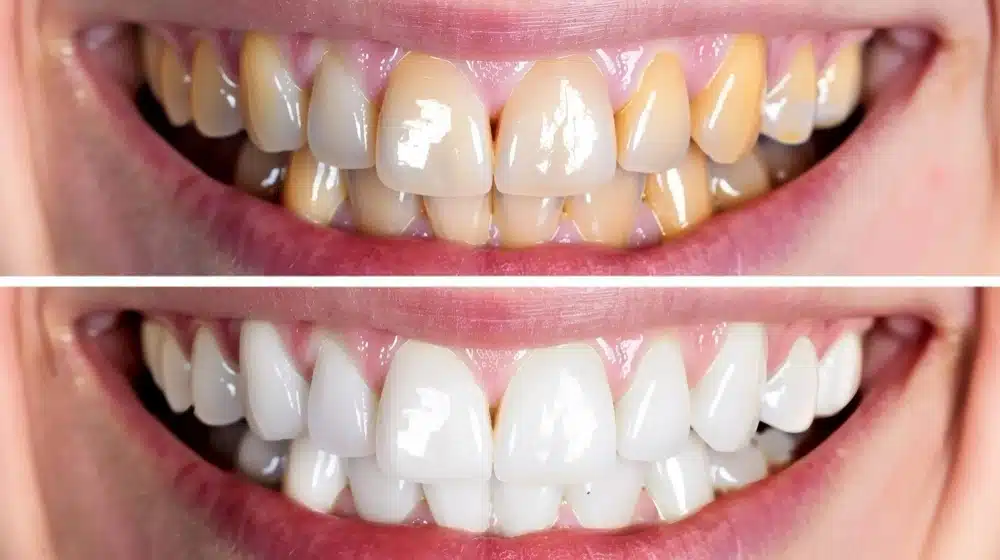
Before diving deeper into porcelain veneers vs composite veneers, it’s essential to understand what veneers are. Veneers are thin, custom-made shells bonded to the front surface of teeth to improve cosmetic appearance. They can correct:
- Tooth discoloration
- Small gaps
- Minor misalignment
- Chips and cracks
- Uneven shapes
- Worn enamel
Modern cosmetic dentistry offers two primary veneer types: porcelain veneers and composite veneers. Both options are highly effective, but the choice depends on your budget, expectations, and long-term dental goals.
For detailed porcelain veneer services, you can explore veneers from a trusted clinic for more insight.
Porcelain Veneers vs Composite Veneers: Key Differences Explained
The comparison of porcelain veneers vs composite veneers focuses on materials, durability, treatment time, aesthetic outcome, and maintenance. Each option has distinct advantages that make it suitable for different patient profiles.
Below is a comprehensive breakdown of how these two cosmetic dentistry solutions differ.
Material Composition
When analyzing porcelain veneers vs composite veneers, the material itself plays a central role in functionality and longevity.
Porcelain Veneers
- Made from high-strength dental porcelain
- Mimic natural enamel with translucent, light-reflective properties
- More resistant to stains and daily wear
- Require laboratory fabrication
Composite Veneers
- Made from composite resin (similar to tooth-colored filling materials)
- Applied directly in the dental chair
- Less durable and more prone to discoloration
- Easier to repair
Durability and Lifespan
Durability is one of the biggest deciding factors in the debate of porcelain veneers vs composite veneers.
Porcelain Veneers Durability
- Last 10–20 years with proper care
- Resistant to chips, cracks, and staining
- Stronger and more stable over time
Composite Veneers Durability
- Last 3–7 years on average
- More likely to stain, especially from coffee, tea, and wine
- May chip or wear down faster
Aesthetic Quality
When it comes to appearance, porcelain veneers vs composite veneers present a clear difference.
Porcelain Veneers
- Provide a highly natural, translucent appearance
- Ideal for complete smile makeovers
- Maintain shine and color for many years
Composite Veneers
- Look natural but slightly less lifelike
- More suitable for minor corrections or budget-conscious patients
- May lose luster over time
Cost Comparison
Cost is a major factor when choosing between porcelain veneers vs composite veneers.
| Feature | Porcelain Veneers | Composite Veneers |
|---|---|---|
| Average Cost (per tooth) | Higher | Lower |
| Longevity | 10–20 years | 3–7 years |
| Stain Resistance | Excellent | Moderate |
| Repairability | More difficult | Very easy |
| Aesthetic Quality | Superior | Good |
| Time Required | 2–3 visits | Single appointment |
When to Choose Porcelain Veneers vs Composite Veneers
Both treatments are effective, but the best choice depends on your dental goals, habits, and budget. Understanding why patients choose one type over the other can help you decide.
Choose Porcelain Veneers If…
- You want the most natural, long-lasting cosmetic result
- You prefer stain-resistant materials
- You plan to treat multiple teeth for a full smile makeover
- You value durability and aesthetics over cost
Porcelain is ideal for people who want a high-end cosmetic dentistry result with minimal maintenance over the years.
Choose Composite Veneers If…
- You are looking for a more affordable alternative
- You need quick results (same-day treatment)
- You want reversible or minimally invasive cosmetic improvement
- You need small corrections like closing gaps or fixing chips
Composite resin is an excellent option for younger patients, temporary solutions, or individuals needing budget-friendly cosmetic dentistry.
Porcelain Veneers vs Composite Veneers: Procedure Steps (H2)
Understanding how each procedure works can further help patients decide which option fits their needs.
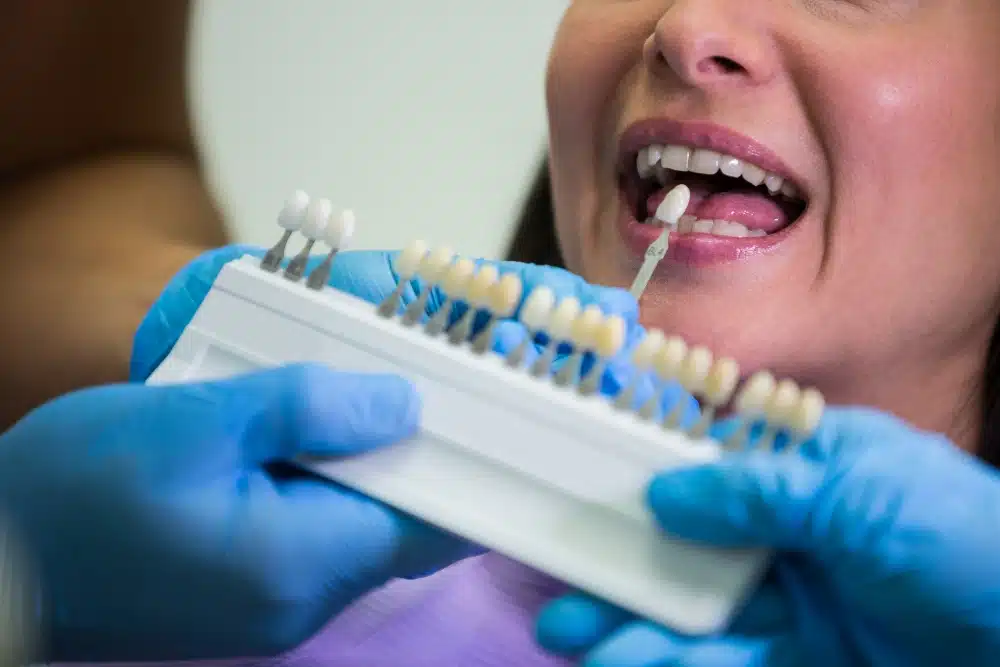
Porcelain Veneer Procedure
- Consultation & digital smile design
- Minimal enamel reduction
- Impressions sent to a dental lab
- Temporary veneers placed
- Final porcelain veneers bonded
This process typically takes 2–3 visits.
Composite Veneer Procedure
- Consultation
- Teeth cleaning and light preparation
- Composite resin layered and sculpted directly
- Polishing and finishing
Done in one appointment, making it ideal for fast cosmetic improvements.
Comparing Maintenance and Oral Care
Maintenance is another essential element in the comparison of porcelain veneers vs composite veneers.
Porcelain Veneer Care
- Brush and floss regularly
- Avoid very hard foods or using teeth as tools
- Schedule routine dental checkups
Composite Veneer Care
- Avoid heavy staining foods or drinks
- Maintain strict oral hygiene
- Expect occasional polishing or repairs
Which Option Is Better? Final Verdict on Porcelain Veneers vs Composite Veneers
There is no universal “best” choice in the debate of porcelain veneers vs composite veneers the right option depends entirely on your needs.
Choose porcelain veneers for top-tier aesthetics, longevity, and a dramatic smile transformation.
Choose composite veneers for affordability, quick results, and smaller cosmetic improvements.
If you’re planning treatment locally, visiting a trusted dental clinic in Vancouver can help you receive expert guidance and professional veneer evaluation. You can also explore porcelain veneer services directly through the clinic’s dedicated veneers page.
Conclusion
The comparison of porcelain veneers vs composite veneers shows that both solutions offer excellent cosmetic dentistry benefits but with different strengths depending on patient expectations, durability needs, and budget. Understanding material differences, treatment steps, and long-term outcomes is key to making an informed decision.
Whether you’re seeking a subtle enhancement or a full smile makeover, choosing the right veneer type will transform not only your smile but also your confidence.