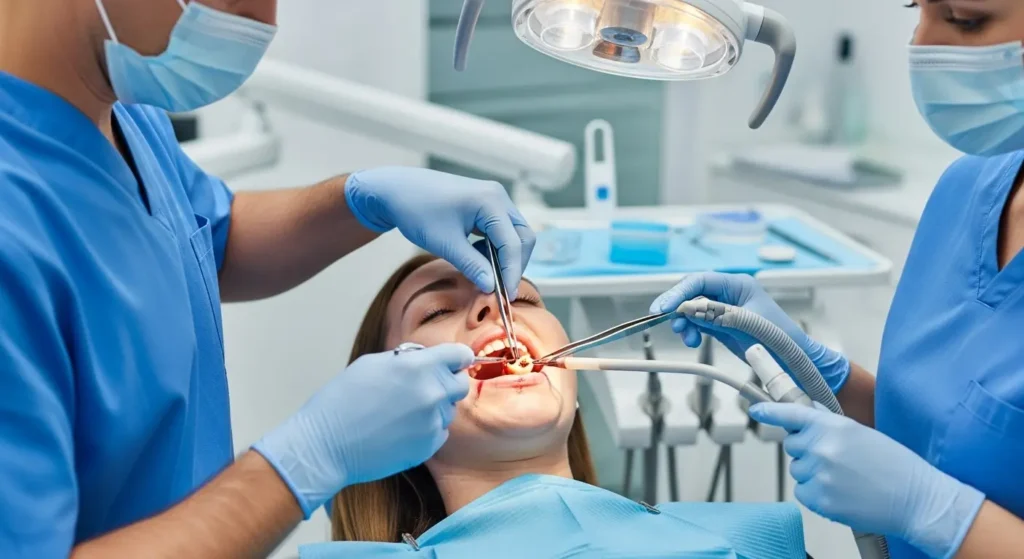
When you have a tooth removed, your mouth needs time to recover. Choosing the right soft foods to eat after tooth extraction helps protect the extraction site, reduces pain, and promotes faster healing. Eating the wrong foods, however, can slow recovery or even cause infection.
In this detailed guide, we’ll explain why soft foods matter, list the best options, show you how to prepare them, and discuss how proper nutrition supports recovery after dental surgery.
Why Soft Foods Are Important After Tooth Extraction
After a tooth is extracted, the gum tissue and bone underneath are exposed. During the first few days, a blood clot forms inside the socket this clot protects the wound and helps new tissue grow.
Hard or chewy foods can dislodge this clot, leading to a painful condition called “dry socket.” That’s why dentists recommend soft foods to eat after tooth extraction they minimize pressure, reduce irritation, and prevent complications.
Nutritional Goals During Healing
- Protein helps rebuild tissue and accelerate recovery.
- Vitamin C and Zinc support collagen formation and wound healing.
- Hydration keeps the mouth moist and helps prevent infection.
Best Soft Foods to Eat After Tooth Extraction
Below is a comprehensive list of soft foods to eat after tooth extraction, including their ingredients, preparation, and reasons they’re ideal during healing.
1. Mashed Potatoes

Ingredients: Potatoes, milk (or broth), a pinch of salt, butter.
Preparation: Boil potatoes until tender, mash them with milk or broth until smooth. Avoid lumps or skins.
Why it’s good: High in carbohydrates for energy and soft enough to swallow easily without chewing.
2. Banana Puree
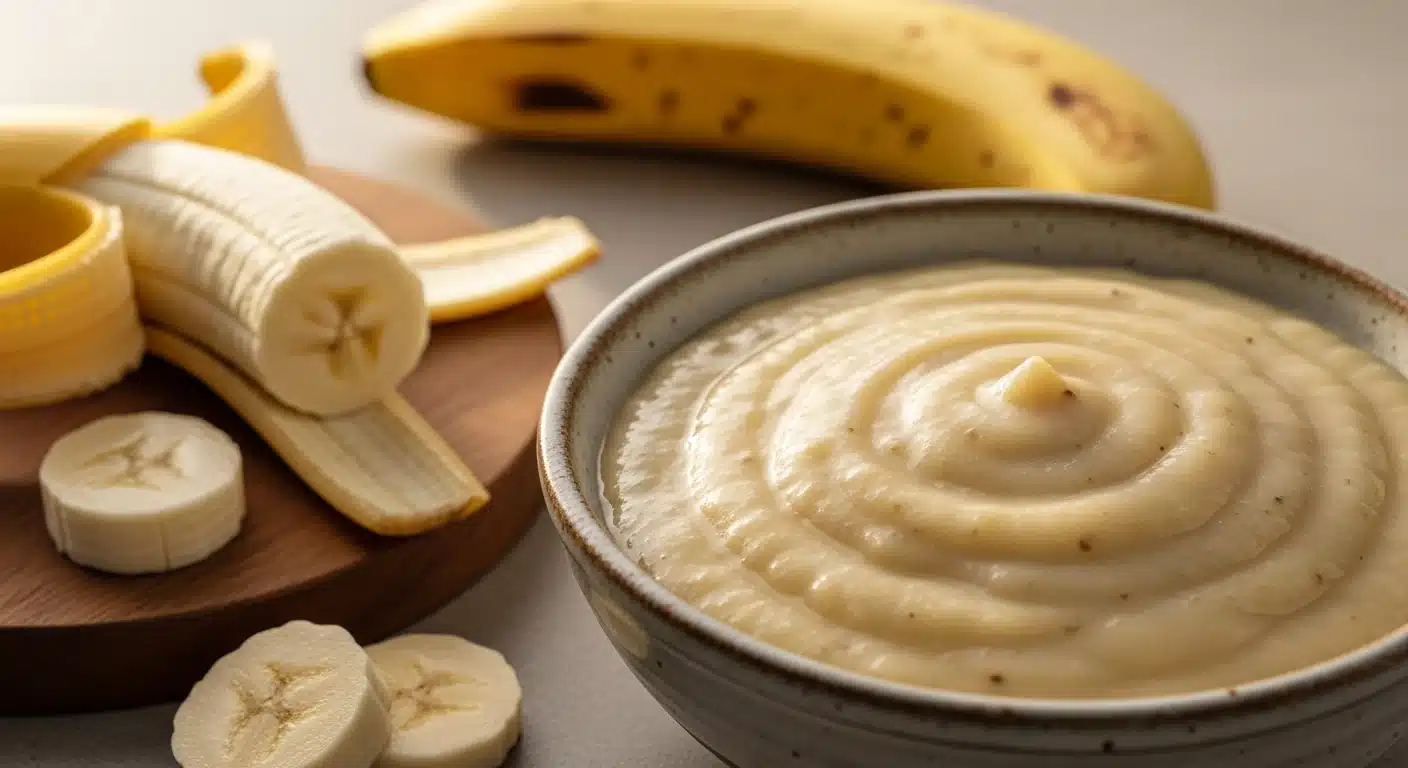
Ingredients: Ripe bananas.
Preparation: Mash with a fork or blend until creamy.
Why it’s good: Gentle on gums, rich in potassium, and naturally sweet ideal for sensitive mouths.
3. Scrambled Eggs

Ingredients: Eggs, milk, a touch of butter or olive oil.
Preparation: Whisk and cook slowly on low heat until soft and fluffy.
Why it’s good: Provides high-quality protein for tissue repair and is very easy to chew.
4. Yogurt or Greek Yogurt
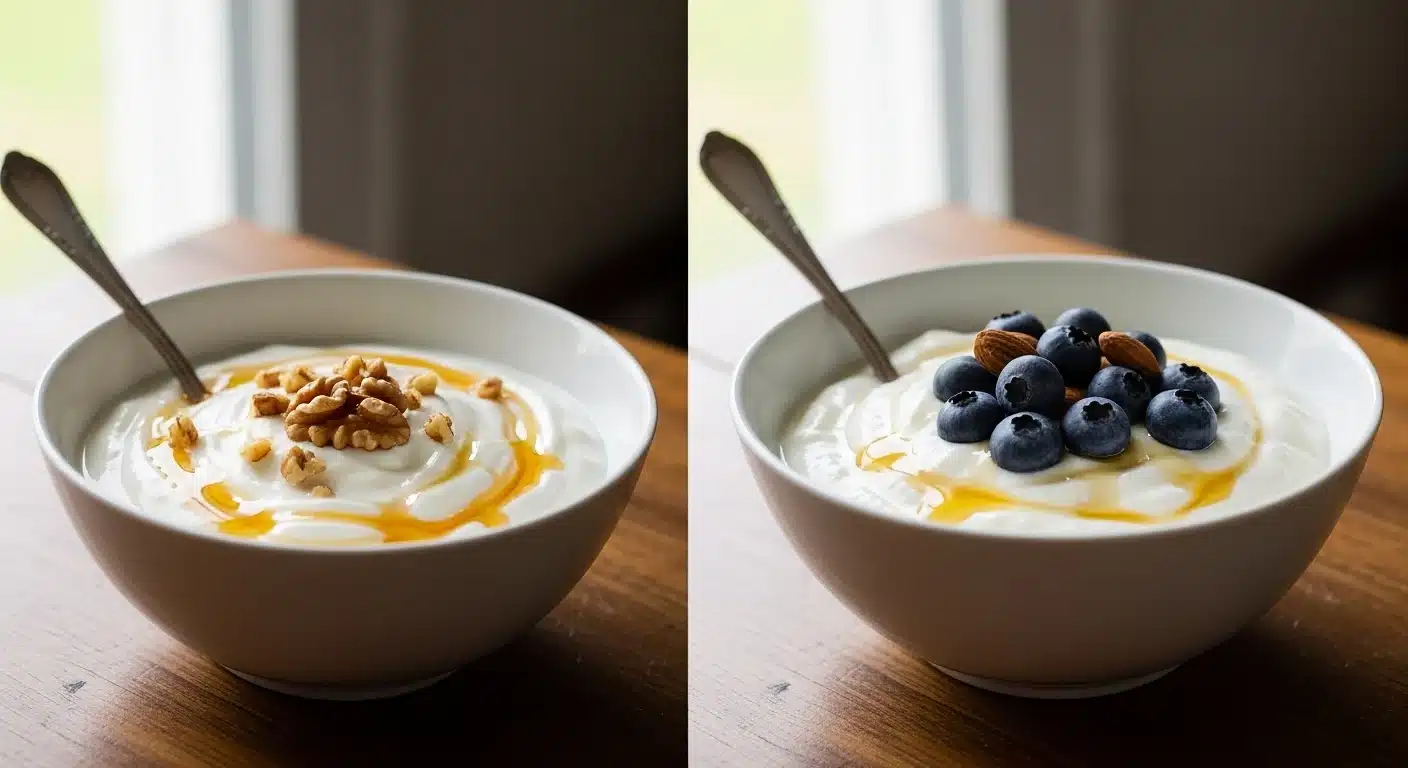
Ingredients: Plain yogurt (no seeds or chunks).
Preparation: Serve cold directly from the refrigerator.
Why it’s good: Contains probiotics that aid healing and prevent infection. Smooth texture soothes sore gums.
5. Vegetable or Chicken Soup (Blended)

Ingredients: Soft vegetables, chicken broth, olive oil, and salt.
Preparation: Cook until soft, blend into a smooth puree. Avoid chunks or bones.
Why it’s good: Hydrating, rich in nutrients, and supports immune recovery.
6. Cottage Cheese

Ingredients: Cottage cheese or ricotta cheese.
Preparation: Serve plain or with pureed fruit.
Why it’s good: Excellent protein source that requires minimal chewing.
7. Smoothies and Milkshakes

Ingredients: Yogurt or milk, bananas, berries, or avocado.
Preparation: Blend until fully smooth no seeds or ice chips.
Why it’s good: Nutrient-rich and hydrating. Avoid using a straw to prevent disturbing the blood clot.
8. Oatmeal or Cream of Wheat
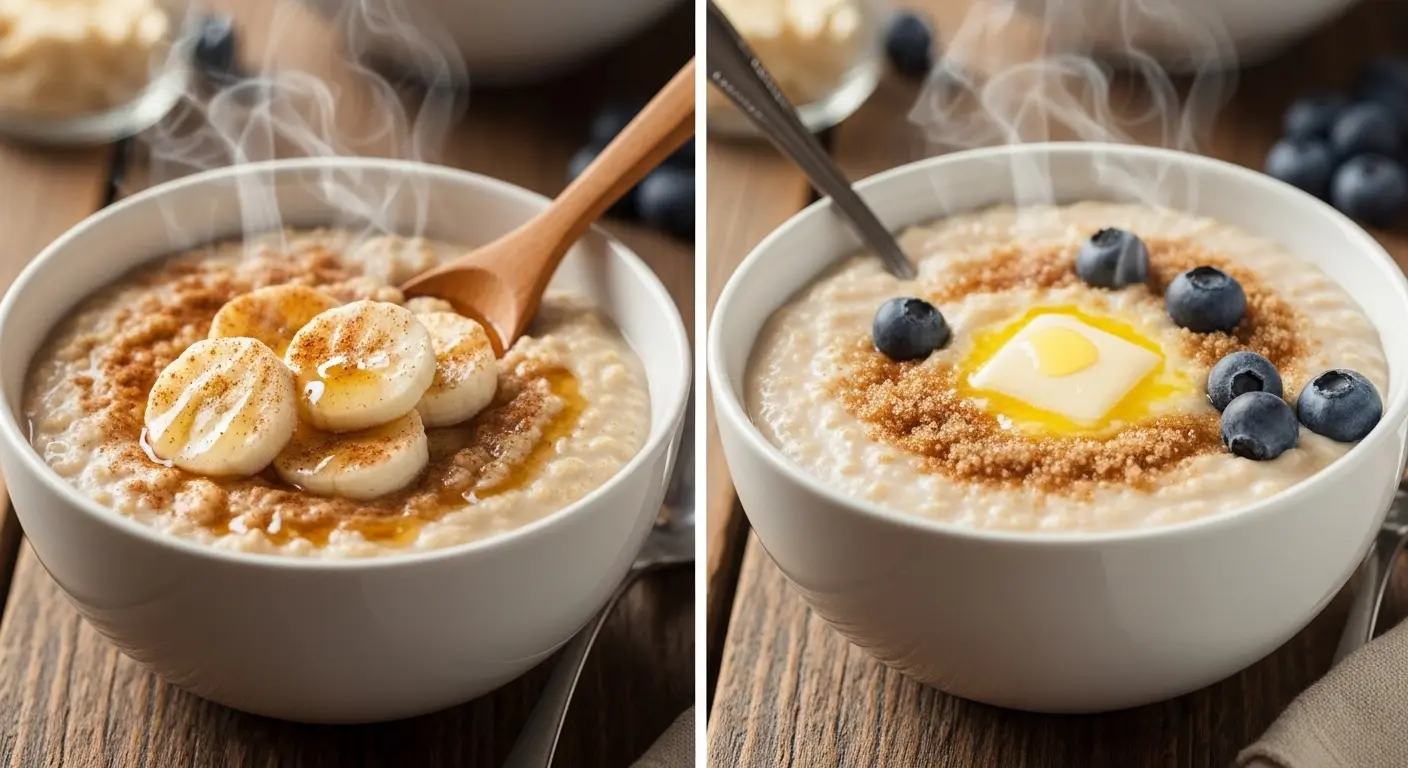
Ingredients: Rolled oats or wheat cereal, milk or water.
Preparation: Cook until very soft and creamy.
Why it’s good: Gentle on gums and provides slow-releasing energy.
9. Steamed White Fish
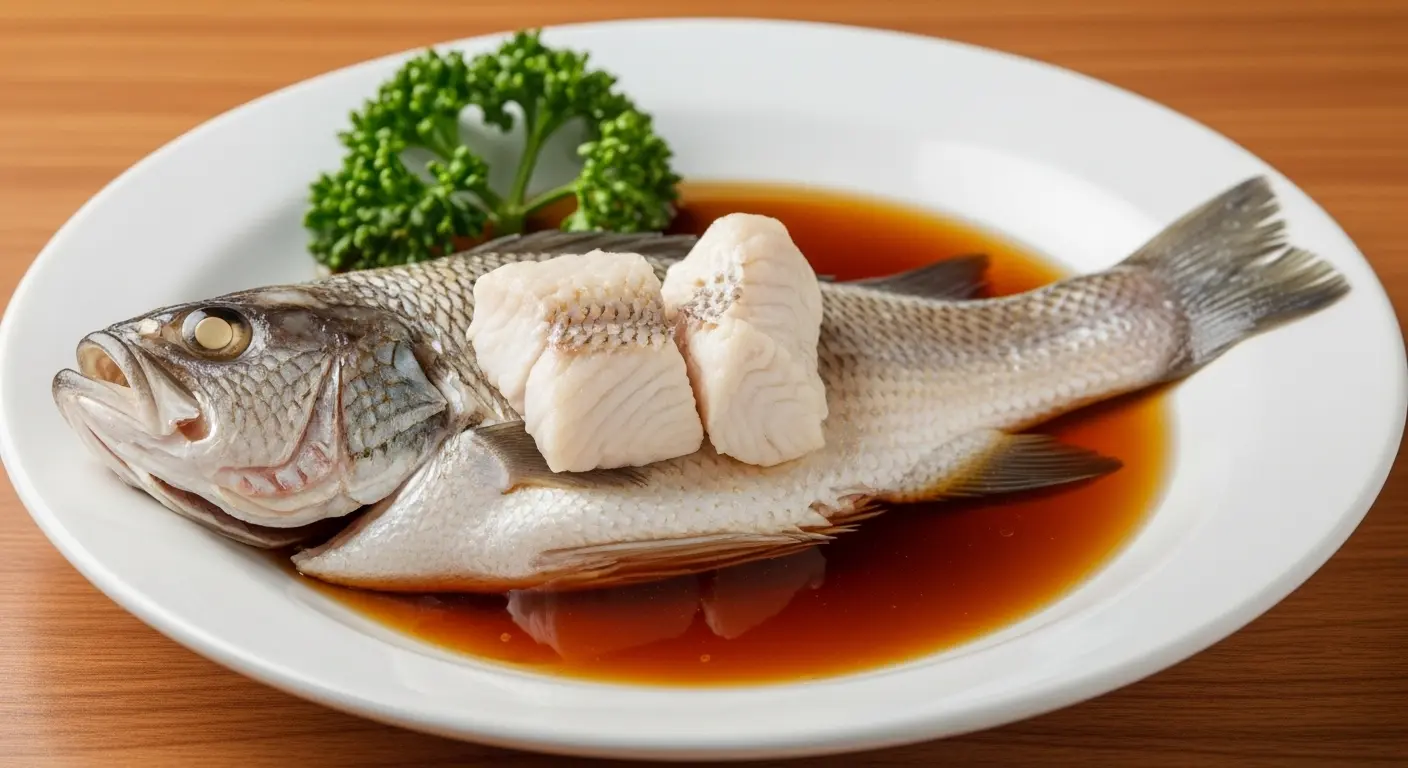
Ingredients: White fish (cod, tilapia), olive oil, herbs.
Preparation: Steam or bake until soft, then flake gently with a fork.
Why it’s good: High in omega-3 fatty acids that reduce inflammation and support healing.
10. Sweet Potato Mash

Ingredients: Sweet potatoes, milk, cinnamon (optional).
Preparation: Boil and mash until smooth.
Why it’s good: Contains vitamins A and C, essential for tissue growth and repair.
Eating Tips After Tooth Extraction
To make your recovery easier, follow these scientifically backed tips:
- Avoid straws – The suction can dislodge your blood clot.
- Eat lukewarm or cool food – Hot food can irritate the wound.
- Stay hydrated – Water aids tissue healing and prevents dry mouth.
- Avoid crunchy or spicy foods – Chips, nuts, or pepper can cause irritation.
- Brush gently – Avoid the extraction site for the first few days.
When to Resume Normal Eating
Most patients can begin introducing semi-solid foods within 3–5 days after surgery. However, full recovery of the extraction site can take up to two weeks. Always follow your dentist’s personalized advice and return for a follow-up if you experience pain or swelling.
Considering Long-Term Dental Solutions
If you’ve had a tooth removed and are exploring replacement options, Dental implants provide a permanent, natural-looking alternative.
For cases where the tooth can be saved, a Root Canal may be the preferred treatment before extraction.
For professional post-extraction care or consultation, visit the trusted team at Hastings Dental Center specialists in advanced restorative and preventive dentistry.
Prioritizing Nutrition for a Comfortable Recovery
Choosing the right soft foods to eat after tooth extraction is one of the most important steps in your recovery. Stick to smooth, nutritious, and easy-to-swallow options for the first several days. Gradually reintroduce normal foods as your mouth heals.
With the right diet, hydration, and dental care guidance, you’ll ensure a comfortable and speedy recovery and protect your oral health for years to come.