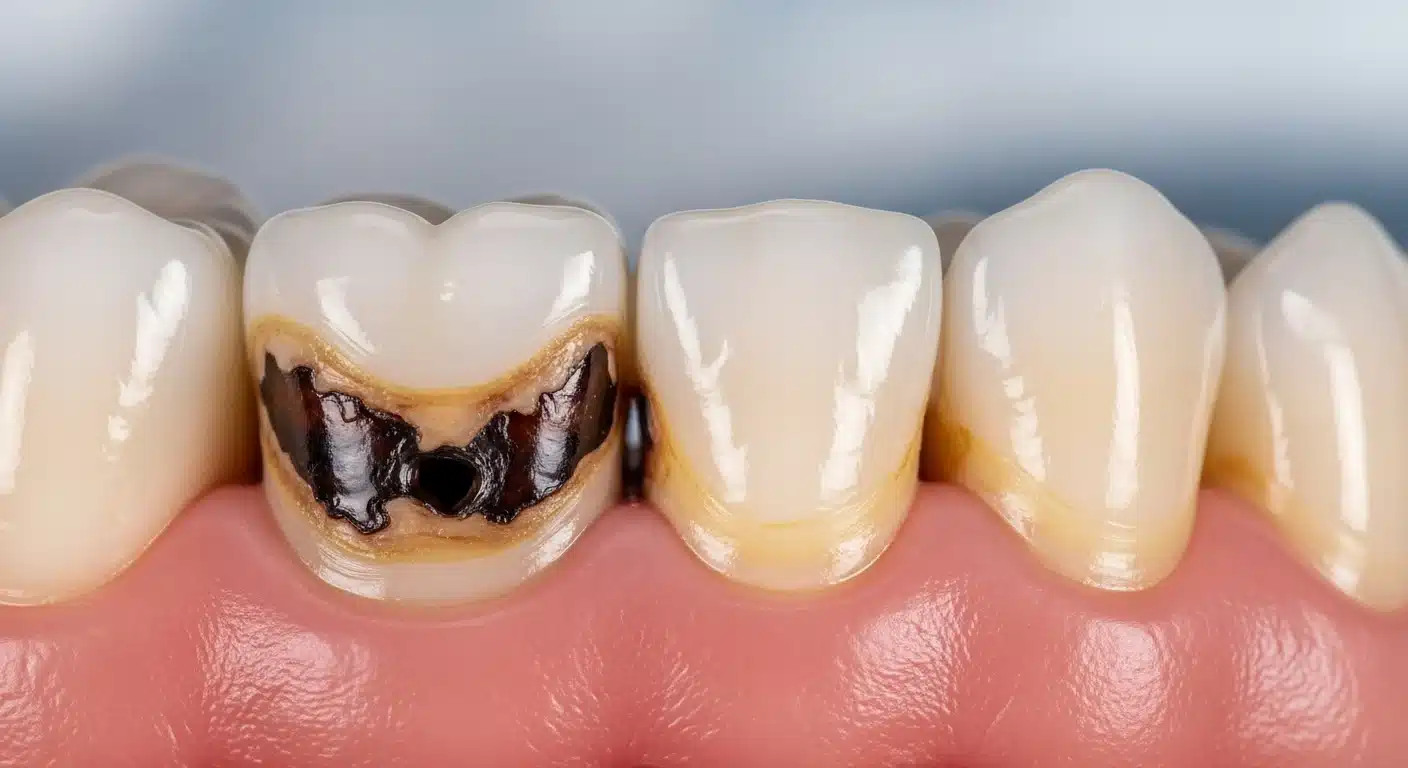
Tooth decay front is both a clinical and aesthetic concern that can seriously affect oral health and the appearance of your smile. The front teeth especially the incisors and canines play a vital role in speech, eating, and confidence. When decay develops on these visible teeth, even small cavities can cause noticeable discoloration, pain, and sensitivity. Unlike molars, front teeth have thinner enamel, making them more vulnerable to erosion and acid attack. This article provides an in-depth, scientifically accurate overview of tooth decay front, explaining its causes, symptoms, diagnosis, and the most effective modern treatments available at Hastings Dental Center.
What Is Tooth Decay Front?
Tooth decay front occurs when bacterial acids break down the protective enamel on the front teeth. Bacteria such as Streptococcus mutans feed on sugars from food and drinks, producing acids that demineralize enamel over time. If left untreated, this process can penetrate deeper layers of the tooth, reaching the dentin and pulp. Because the front teeth are constantly exposed to acidic foods, beverages, and temperature changes, decay often progresses more quickly than in back teeth. Early detection and treatment are essential to prevent permanent structural and cosmetic damage.
Common Causes of Tooth Decay in Front Teeth
Several factors contribute to the development of tooth decay front:
- Frequent Sugar and Acid Exposure: Beverages like soda, energy drinks, and fruit juices create a low pH environment that promotes enamel erosion.
- Poor Oral Hygiene: Plaque accumulation, especially near the gum line, allows bacteria to thrive.
- Dry Mouth (Xerostomia): Reduced saliva flow means less natural protection against acid.
- Enamel Hypoplasia: Weakened enamel due to genetic or developmental factors increases vulnerability to tooth decay front.
- Overuse of Whitening Products: Excessive bleaching or abrasive toothpaste can cause microscopic enamel cracks.
- Gum Recession and Tooth Misalignment: These conditions expose root surfaces, which are softer and more prone to decay.
- Smoking and Poor Nutrition: Both decrease blood flow to oral tissues and weaken enamel resistance.
Regular dental visits to Hastings Dental Center can identify these risk factors early and prevent extensive damage.
Diagnosis and Early Detection
Detecting tooth decay front early is key to preserving both the tooth and its natural aesthetics.
Dentists use several modern diagnostic methods, including:
- Visual Examination: Early enamel demineralization appears as white or chalky spots.
- Digital Radiographs: Low-dose X-rays reveal decay beneath the surface or between teeth.
- Laser Fluorescence Scanners (DIAGNOdent): These devices identify early lesions before they are visible to the eye.
- Tactile Testing: Gentle probing helps assess enamel softness or surface roughness.
Routine check-ups every six months at a trusted clinic such as Hastings Dental Center allow for early intervention before invasive treatment is needed.
Symptoms of Tooth Decay Front
Tooth decay front can be painless in its early stages, but symptoms become noticeable as the decay deepens:
- Increased sensitivity to cold, heat, or sweet foods
- Brown or dark discoloration on the visible tooth surface
- Rough edges or small chips on the enamel
- Pain when biting or brushing
- Aesthetic changes, such as uneven color or dullness
If these symptoms are ignored, infection can spread, requiring procedures such as a Root Canal.
Modern Treatment Options for Tooth Decay Front
1. Remineralization Therapy (Early Stage)
When detected early, tooth decay front can sometimes be reversed using fluoride varnishes, nano-hydroxyapatite gels, or calcium-phosphate pastes. These treatments strengthen enamel by replenishing lost minerals, preventing further breakdown.
2. Dental Bonding and Composite Fillings
If decay has caused small cavities or discoloration, tooth-colored composite resin can restore shape and appearance. Bonding involves applying a resin material that blends naturally with the tooth surface, providing both strength and beauty.
3. Root Canal Therapy (Advanced Decay)
Once bacteria reach the pulp, pain and infection are likely. A Root Canal removes the infected tissue, cleans the canal, and seals the tooth to preserve it. Modern root canal techniques are nearly painless and highly successful in saving the natural tooth.
4. Porcelain Veneers for Aesthetic Restoration
For patients with visible damage, discoloration, or surface irregularities, Veneers offer a durable and aesthetic solution. These thin porcelain shells cover the front surface of the teeth, restoring both strength and a perfectly natural appearance.
5. Dental Crowns for Severe Structural Damage
When a large portion of enamel is destroyed, a full-coverage ceramic or zirconia crown may be required. Crowns protect the underlying tooth and restore full biting function while maintaining a lifelike look.
6. Dental Implants for Tooth Replacement
In cases where decay leads to tooth loss, Dental implants are the gold standard for replacement. Implants integrate with the jawbone, providing a stable foundation for a prosthetic crown that looks and functions like a natural tooth.
Preventing Tooth Decay Front
Prevention is always better than treatment. Dentists recommend the following evidence-based steps to reduce the risk of tooth decay front:
- Brush teeth twice daily with fluoride toothpaste.
- Floss or use interdental brushes to remove plaque between teeth.
- Rinse with a fluoride or antibacterial mouthwash.
- Avoid sugary snacks and acidic beverages.
- Maintain hydration and saliva flow by drinking plenty of water.
- Get professional cleanings and exams at Hastings Dental Center every six months.
- Use fluoride varnishes or sealants if recommended by your dentist.
By following these practices, you can greatly reduce your chances of developing tooth decay front and maintain long-term dental health.
Aesthetic and Emotional Impact
The aesthetic consequences of tooth decay front can be as significant as the physical discomfort. Visible cavities, staining, or chipped enamel often lower confidence and cause patients to smile less. Restorative options such as Veneers and Dental implants can dramatically improve not only appearance but also self-esteem and overall well-being.
Long-Term Maintenance and Aftercare
After treatment, maintaining strong enamel and preventing recurrence is critical.
Dentists at Hastings Dental Center recommend:
- Using fluoride mouth rinses or remineralizing gels weekly
- Avoiding overly abrasive toothpaste or whitening kits
- Replacing toothbrushes every three months
- Limiting late-night snacking or sugary drinks
- Scheduling periodic fluoride applications and professional monitoring
These simple steps help preserve results from treatments like Root Canal, Veneers, or Dental implants.
Prioritize Your Oral Health at Hastings Dental Center
Tooth decay front is not just a cosmetic issue it’s a sign of bacterial imbalance and enamel breakdown that requires professional care. Fortunately, modern dentistry offers effective, minimally invasive treatments, from fluoride remineralization and composite bonding to advanced Root Canal, Veneers, and Dental implants. Early diagnosis and preventive care are the best defenses against long-term damage.
For expert evaluation, personalized treatment, and continued oral health, schedule your appointment today at Hastings Dental Center where innovation, precision, and patient comfort come together to protect your smile for years to come.