When patients search for types of veneers to enhance their smile, they often want a clear comparison of options, benefits, and costs without unnecessary fluff. This comprehensive guide covers all types of veneers, includes LSI keywords (porcelain veneers, composite veneers, no-prep veneers, dental veneers, cosmetic dentistry), and follows modern Google SEO and readability standards.
For anyone looking for a trusted dental clinic near me, veneers are one of the most effective cosmetic dentistry solutions.
The term types of veneer includes several options tailored to patient needs. Many patients in British Columbia specifically look for services provided by a dental clinic Vancouver to ensure high-quality work and long-term results.
If you are researching cosmetic solutions, finding Veneers near me can help you compare veneer types offered by professional clinics.
What Are the Main Types of Veneers?
The term types of veneers refers to different materials and preparation techniques used to restore or enhance the appearance of teeth. In cosmetic dentistry, veneers are thin shells bonded to the front surface of teeth to improve shape, color, and alignment.
Porcelain Veneers
Porcelain veneers are one of the most common types of veneers used today. Made from medical-grade ceramic, they provide a natural translucency and long-lasting durability. Many patients prefer porcelain veneers because they resist staining and mimic real enamel. As an advanced option in cosmetic dentistry, porcelain veneers offer excellent aesthetic results for a complete smile makeover.
Benefits of Porcelain Veneers
- Highly durable (10–20 years)
- Stain-resistant surface
- Minimal color fading
- Natural tooth-like translucency
These veneers are ideal for correcting discoloration, worn enamel, mild misalignment, or uneven spacing.
Composite Veneers
Composite veneers are another widely used category within the types of veneers. These are created from tooth-colored composite resin the same material used for dental bonding. While they are often more affordable, composite veneers may not last as long as porcelain veneers.
Advantages of Composite Veneers
- More affordable than porcelain
- Immediate results (same-day application)
- Minimal enamel removal
- Easy to repair
Composite veneers offer a faster method for patients wanting noticeable improvement without extensive procedures.
No-Prep Veneers
Among modern types of veneers, no-prep veneers (e.g., Lumineers) have gained popularity due to their minimally invasive technique. These veneers require very little, if any, enamel removal.
Key Features
- Ultra-thin ceramic material
- No drilling in most cases
- Reversible in some scenarios
- Ideal for sensitive teeth
No-prep veneers are perfect for patients wanting cosmetic results with minimal discomfort.
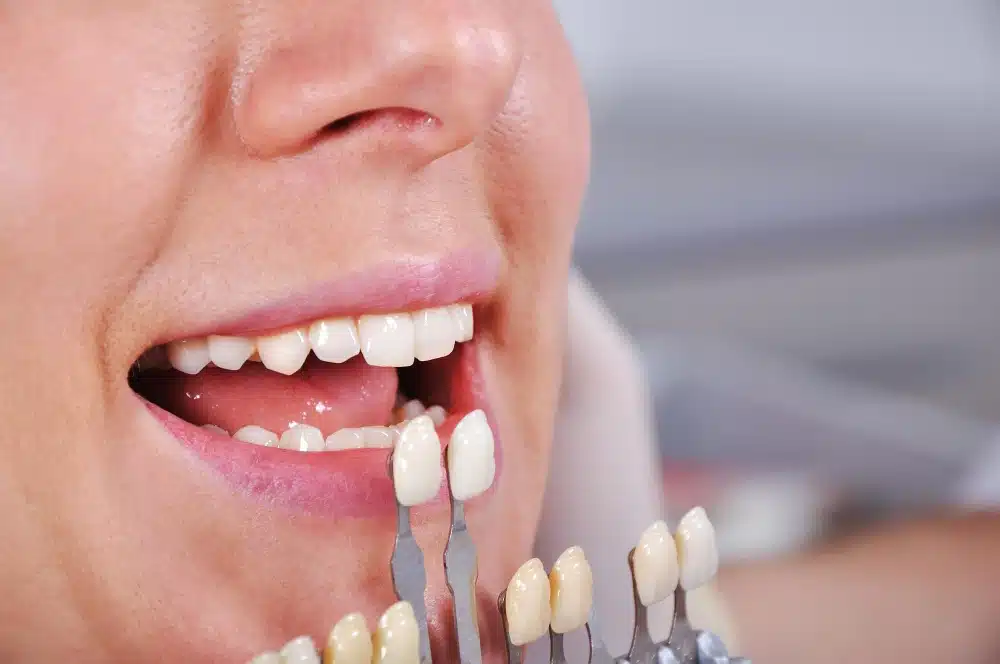
Comparing Types of Veneers: Which One Fits Your Needs?
The decision between different types of veneers depends on factors such as durability, cost, aesthetic goals, and the condition of existing teeth. Below is a clear comparison table to help patients make the most informed decision.
Veneers Comparison Table
| Types of Veneers | Material | Durability | Cost Level | Best For |
|---|---|---|---|---|
| Porcelain Veneers | Ceramic | 10–20 years | $$$ | Natural look, long-term solution, discoloration |
| Composite Veneers | Resin | 4–8 years | $$ | Budget-friendly, quick repairs |
| No-Prep Veneers | Ultra-thin ceramic | 8–15 years | $$$ | Minimally invasive cosmetic changes |
How to Choose Between the Types of Veneers
Choosing between different types of veneers should involve both aesthetic preferences and dental health considerations. Below are essential factors to evaluate.
1. Condition of Your Teeth
Porcelain veneers are ideal for severe discoloration or structural issues. Composite veneers work best for mild cosmetic corrections. No-prep veneers are excellent for patients with healthy enamel.
2. Durability Expectations
If long-term stability matters most, porcelain veneers are usually superior among all veneers. They offer the longest lifespan with the least maintenance.
3. Budget Considerations
Composite veneers provide a cost-effective cosmetic option. Porcelain veneers, while pricier, offer premium longevity and aesthetics.
4. Cosmetic Goals
Patients wanting the most natural-looking smile makeover often prefer porcelain veneers or no-prep veneers.
Benefits of Different Types of Veneers in Cosmetic Dentistry
Veneers contributes uniquely to cosmetic dentistry. Whether restoring worn teeth or enhancing smile symmetry, veneers offer versatile solutions.
Overall Cosmetic Benefits
- Improved tooth shape and size
- Correction of gaps and minor misalignment
- Long-lasting whitening
- Enhanced facial aesthetics
Who Is a Good Candidate for Different Types of Veneers?
Ideal candidates for the various types of veneers include individuals with:
- Discolored or stained teeth
- Gaps between teeth
- Mild crowding
- Small chips or fractures
- Uneven tooth shapes
How Different Types of Veneers Are Applied
Each of the types of veneers follows a slightly different application process.
Porcelain Veneers Application
- Initial consultation
- Tooth preparation
- Impression and lab creation
- Final bonding
Composite Veneers Application
- Shade selection
- Resin shaping
- Curing with light
- Polishing
No-Prep Veneers Application
- Assessment
- Minimal or no enamel removal
- Veneer placement
Longevity & Maintenance of Different Types of Veneers
To ensure long-term success, all types of veneers need proper care.
Maintenance Tips
- Brush twice daily
- Use non-abrasive toothpaste
- Avoid biting hard objects
- Schedule routine dental visits
Start Your Smile Transformation at Hastings Dental Center
Understanding the types of veneers helps patients make confident decisions about improving their smiles. Whether you choose porcelain veneers, composite veneers, or no-prep veneers, each offers unique advantages depending on your dental needs and aesthetic goals.