Missing teeth can greatly affect both your smile and self-confidence. Many patients wonder whether dental veneers for missing teeth can be a solution to restore the appearance of a complete smile. While veneers are one of the most popular cosmetic dental treatments, their ability to replace a missing tooth is often misunderstood. This article explains how dental veneers for missing teeth work, what their limitations are, and when they might be part of a larger restorative plan.
What Are Dental Veneers?
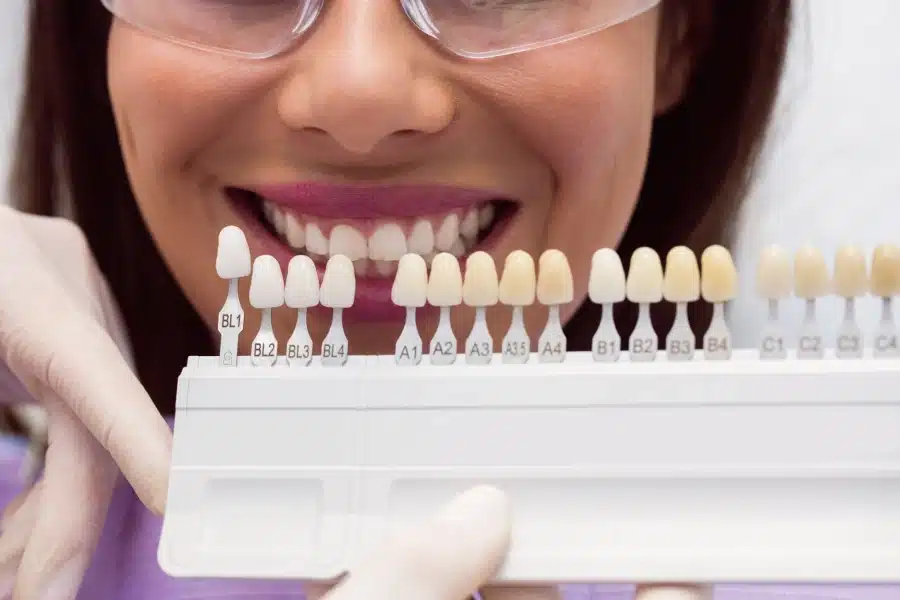
Dental veneers are thin, custom-made shells that cover the front surface of a tooth to improve its appearance, shape, and color. They are typically made of porcelain or composite resin and are bonded permanently to the tooth. You can learn more about how veneers are made and applied from this detailed guide on Veneers.
Veneers are ideal for correcting chipped, discolored, or slightly misaligned teeth. However, when it comes to dental veneers for missing teeth, it’s important to understand their true purpose they enhance existing teeth rather than replace missing ones.
Can Dental Veneers Replace Missing Teeth?
Technically, dental veneers for missing teeth cannot act as replacements because veneers require an existing tooth structure for bonding. If a tooth is completely missing, there is nothing for the veneer to attach to. Veneers only cover the visible surface of a tooth, meaning they are purely cosmetic and not structural replacements.
That said, veneers can play an important role in cosmetic restoration around a missing tooth. For example:
- Veneers can be placed on neighboring teeth to close small gaps left by a missing tooth.
- They can improve the symmetry and color match of dental restorations such as bridges or implants.
- In cases where a partial tooth remains, veneers can sometimes restore the visible portion of the damaged tooth.
Therefore, dental veneers for missing teeth may be part of a comprehensive smile design rather than a direct replacement.
Alternatives to Dental Veneers for Missing Teeth
If a tooth is completely lost, other restorative options are more suitable:
- Dental Implants: Artificial tooth roots that hold a crown, offering the most natural look and function.
- Dental Bridges: Prosthetic teeth supported by neighboring teeth, often combined with veneers for a consistent aesthetic.
- Partial Dentures: Removable options that fill gaps but may not look as natural as veneers or implants.
These treatments can be complemented with veneers to achieve a uniform and aesthetic smile line. Consulting with a qualified dentist at a professional dental clinic is the best way to determine which option suits your needs.
Benefits of Veneers in Smile Restoration
Even though veneers cannot replace missing teeth on their own, they offer valuable benefits in restorative dentistry:
- Enhanced Aesthetics: Veneers can harmonize the color and shape of adjacent teeth to match a prosthetic tooth.
- Minimally Invasive: Compared to crowns or bridges, veneers preserve more natural tooth structure.
- Long-Lasting Results: High-quality porcelain veneers can last 10–15 years with proper care.
When used strategically, dental veneers for missing teeth can help achieve a seamless, natural-looking smile that complements other restorative work.
Limitations of Dental Veneers for Missing Teeth
While veneers are effective for improving smiles, their limitations include:
- They cannot fill empty gaps caused by missing teeth.
- They are not load-bearing and cannot replace the biting function of a lost tooth.
- Applying veneers where a tooth is absent can lead to uneven results or damage if not combined with other treatments.
Hence, patients should view dental veneers for missing teeth as an aesthetic enhancement, not a replacement solution.
Long-Term Maintenance
Proper care is essential to preserve the results of veneers and any accompanying dental work:
- Maintain regular brushing and flossing with non-abrasive toothpaste.
- Avoid biting hard objects like ice or pens.
- Visit your dentist regularly for checkups and professional cleaning.
These steps ensure that dental veneers for missing teeth when used as part of a restorative plan remain beautiful and durable over time.
Start Your Smile Transformation at Hastings Dental Center
Dental veneers for missing teeth offer an excellent cosmetic improvement when integrated into a comprehensive treatment plan. While veneers cannot replace missing teeth directly, they enhance the appearance of the surrounding teeth and create a natural, balanced smile. For patients looking to restore their smiles, combining veneers with restorative procedures like implants or bridges provides both function and aesthetics.
Consulting with an experienced dental professional ensures you receive the right combination of treatments tailored to your oral health and cosmetic goals.